
The Versatility and Benefits of Essential Oils
In recent years, essential oils have surged in popularity, finding their way into households, wellness routines, and holistic health practices worldwide. These concentrated plant extracts are praised for their aromatic, therapeutic, and medicinal properties, offering a natural alternative to synthetic products. But what exactly are essential oils, and how can they enhance our well-being?
What Are Essential Oils?
Essential oils are highly concentrated extracts derived from various parts of plants, including flowers, leaves, bark, and roots. The oils capture the plant’s scent and beneficial compounds through processes like steam distillation or cold pressing. The result is a potent liquid that embodies the plant’s essence, hence the name “essential oil.”
Common Types of Essential Oils and Their Uses
There are hundreds of essential oils, each with unique properties and uses. Some of the most popular include:
- Lavender: Known for its calming and relaxing effects, lavender oil is often used to reduce stress and promote sleep. It can also be applied to the skin to soothe minor burns and insect bites.
- Peppermint: This invigorating oil is commonly used to relieve headaches, improve focus, and alleviate digestive issues. Its cooling sensation also makes it a favorite in muscle rubs and breath fresheners.
- Tea Tree: Renowned for its antibacterial and antifungal properties, tea tree oil is a staple in skincare for treating acne and other skin conditions. It’s also used in cleaning products due to its disinfectant qualities.
- Eucalyptus: With its refreshing and clearing scent, eucalyptus oil is frequently used in respiratory therapies to ease congestion and improve breathing. It’s also a popular choice in muscle and joint pain relief.
- Lemon: This bright, citrusy oil is known for its mood-lifting and energizing effects. Lemon oil is often used in cleaning products for its antibacterial properties and refreshing scent.
Benefits of Essential Oils
The benefits of essential oils are diverse, impacting physical, emotional, and mental health. Here are some key advantages:
1. Aromatherapy
Aromatherapy, the practice of using essential oils for therapeutic benefits, can significantly enhance emotional well-being. Inhaling the aromas of certain oils can trigger brain responses that reduce stress, anxiety, and depression. Diffusing oils like lavender, chamomile, or bergamot can create a calming atmosphere, promoting relaxation and better sleep.
2. Topical Application
When applied to the skin, essential oils can provide localized benefits. For instance, oils like eucalyptus and peppermint are often used in massage oils to relieve sore muscles and joints. Tea tree oil’s antimicrobial properties make it a powerful tool in treating skin infections and acne.
3. Household Uses
Beyond personal care, essential oils are also invaluable in household cleaning. Oils like lemon, tea tree, and eucalyptus can be used to create natural cleaning solutions that disinfect surfaces and purify the air, offering a non-toxic alternative to chemical cleaners.
4. Health and Wellness
Essential oils can support overall health in various ways. Peppermint oil can alleviate digestive issues when diluted and applied to the abdomen. Eucalyptus oil, when inhaled, can ease respiratory discomfort, making it useful during cold and flu seasons.
How to Use Essential Oils Safely
Despite their benefits, essential oils are potent substances that require careful use. Here are some guidelines:
- Dilution: Essential oils should always be diluted with a carrier oil, such as coconut or jojoba oil, before applying to the skin to prevent irritation or allergic reactions.
- Quality: Use high-quality, pure essential oils from reputable sources to avoid contaminants or adulterants.
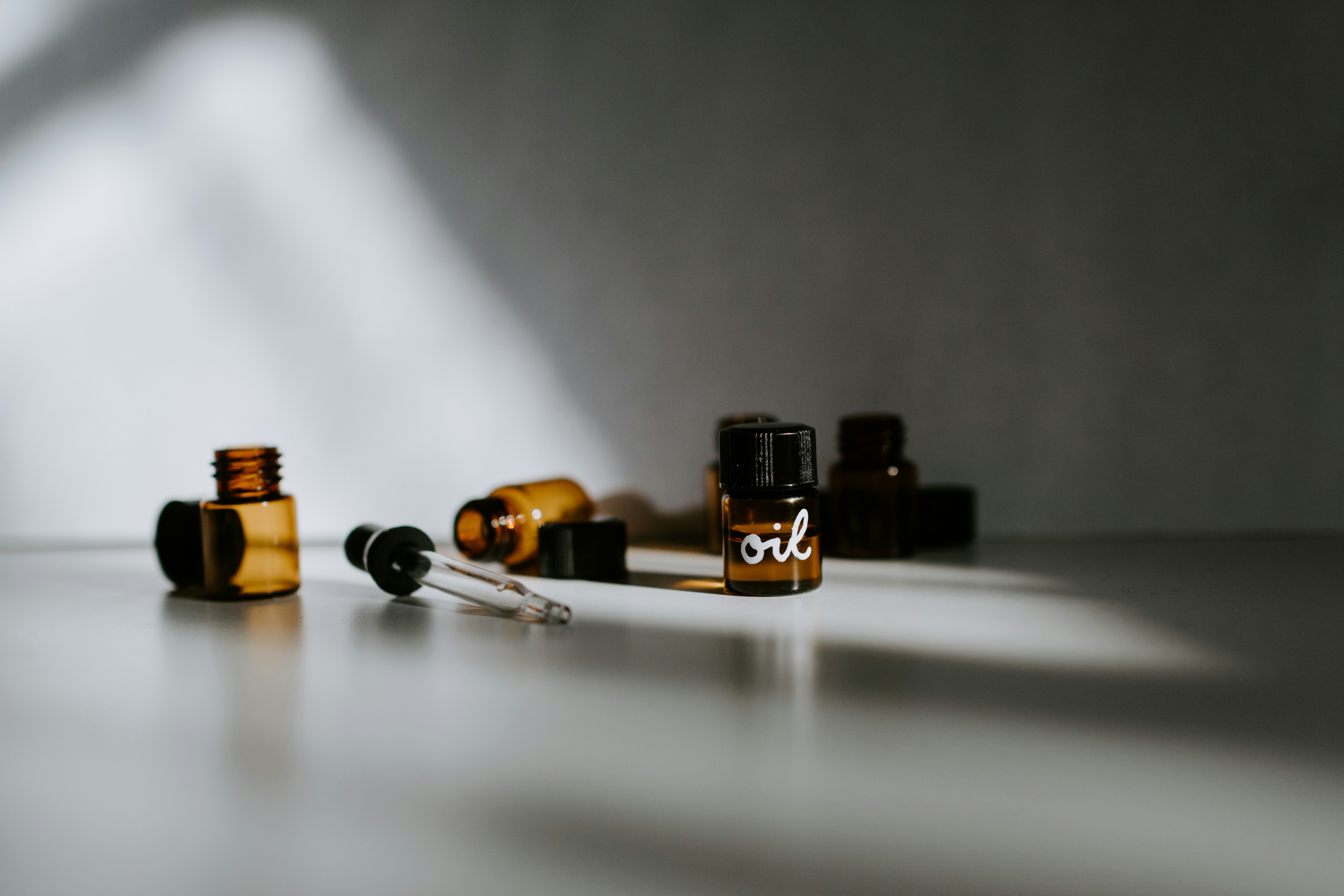
- Proper Storage: Store oils in dark glass bottles away from heat and light to maintain their potency and extend shelf life.
- Patch Test: Perform a patch test on a small skin area before widespread use to check for any adverse reactions.
Essential oils offer a natural and versatile approach to enhancing well-being. Whether through aromatherapy, topical application, or household use, these plant-based oils can improve various aspects of life. As their popularity continues to grow, essential oils are proving to be a valuable addition to both traditional and modern health practices. By understanding their properties and using them safely, individuals can harness the power of essential oils to support their physical and emotional health naturally.

 Mind Energy Station | Holistic Wellness, Crystals, & Meditation Guide