
Essential Oil Dilution Guide

Essential oils have gained immense popularity in recent years due to their numerous therapeutic benefits. However, using them safely and effectively requires proper dilution. This guide will walk you through the essential oil dilution process, ensuring you reap the benefits without adverse effects.
Why Dilute Essential Oils?
Essential oils are highly concentrated plant extracts. Direct application to the skin can cause irritation, allergic reactions, or even systemic toxicity. Dilution with a carrier oil not only minimizes these risks but also aids in the even distribution of the essential oil, enhancing its absorption and effectiveness.
Understanding Dilution Ratios
Dilution ratios are expressed as a percentage, indicating the amount of essential oil in a carrier oil. Here’s a quick reference for common dilution ratios:
- 1% Dilution: 1 drop of essential oil per teaspoon (5 ml) of carrier oil. Suitable for facial applications, sensitive skin, and children.
- 2% Dilution: 2 drops of essential oil per teaspoon (5 ml) of carrier oil. Ideal for daily body care and massage oils.
- 3-5% Dilution: 3-5 drops of essential oil per teaspoon (5 ml) of carrier oil. Recommended for specific concerns like pain relief or acute conditions.
- 10% Dilution: 10 drops of essential oil per teaspoon (5 ml) of carrier oil. Used for short-term applications on small areas, such as bug bites or localized pain.
Choosing the Right Carrier Oil
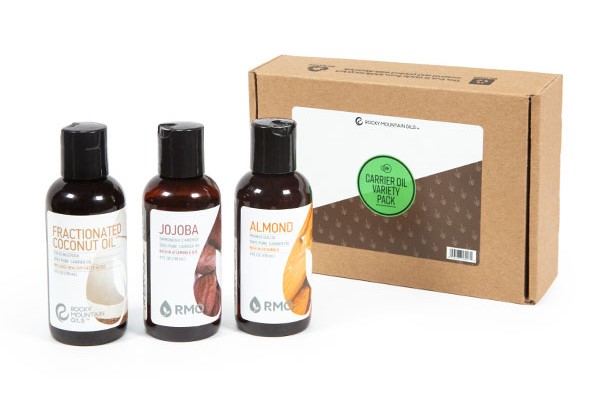
Carrier oils are used to dilute essential oils. They are typically plant-based oils that are mild and safe for the skin. Here are some popular choices:
- Jojoba Oil: Mimics the skin’s natural oils, suitable for all skin types, especially acne-prone or oily skin.
- Sweet Almond Oil: Rich in vitamins A and E, great for dry or sensitive skin.
- Coconut Oil: Has a light texture and pleasant aroma, excellent for moisturizing and protecting the skin.
- Olive Oil: A heavier oil, packed with antioxidants, best for very dry skin or winter use.
Step-by-Step Dilution Process
- Select Your Essential Oil: Choose based on your desired therapeutic benefits.
- Pick a Carrier Oil: Consider your skin type and the intended use.
- Determine the Dilution Ratio: Refer to the dilution ratios mentioned above.
- Mix: Use a clean, dry bottle or container. Add the carrier oil first, then the essential oil drops. Stir or shake well to combine.
Safety Tips
- Patch Test: Always perform a patch test before using a new essential oil blend. Apply a small amount to the inside of your wrist or elbow and wait 24 hours for any adverse reactions.
- Avoid Sensitive Areas: Do not apply essential oils near the eyes, inner ears, or mucous membranes.
- Pregnancy and Children: Consult a healthcare provider before using essential oils on pregnant women, nursing mothers, or young children.
Common Dilution Mistakes to Avoid
- Overuse: More essential oil does not mean better results. Stick to recommended dilution ratios.
- Improper Storage: Store your essential oils and blends in dark, glass bottles away from heat and sunlight to maintain their potency and shelf life.
- Using Undiluted Oils: Avoid applying essential oils directly to the skin without dilution, even if you have used them safely before.
Diluting essential oils properly is crucial for their safe and effective use. By understanding dilution ratios, choosing the right carrier oil, and following safe practices, you can enjoy the myriad benefits of essential oils while minimizing potential risks. Remember, when in doubt, consult with a certified aromatherapist or healthcare professional. Happy blending!
 Mind Energy Station | Holistic Wellness, Crystals, & Meditation Guide