
Experiencing trauma can shatter our sense of self, leaving us feeling fragmented and disconnected. In the aftermath, finding ways to reconnect with our inner selves becomes essential for healing and regaining a sense of wholeness. This journey is deeply personal, involving exploration, patience, and compassion. Here, we delve into three therapeutic practices that can help you rebuild this connection: journaling, nature walks, and engaging in creative arts.
Journaling Inner Thoughts and Emotions
Journaling can be a transformative practice, providing a safe space to explore and articulate your inner world. Trauma often disrupts our ability to process emotions and experiences verbally, and journaling offers an alternative pathway to understanding and expression.
Sit in a quiet, comfortable spot with a notebook in hand. As you begin to write, allow your thoughts to flow freely, without judgment or censorship. This practice is not about crafting perfect prose but about giving voice to the thoughts and emotions swirling within you. Writing can help you make sense of your experiences, uncover patterns in your feelings, and track your progress over time.
You might start by setting aside a few minutes each day for journaling. Begin with simple prompts if needed, such as “What am I feeling right now?” or “What did I learn about myself today?” Over time, you’ll find that journaling becomes a dialogue with your inner self, a way to nurture self-awareness and emotional clarity.
Nature Walks: Grounding and Reconnecting with the Earth
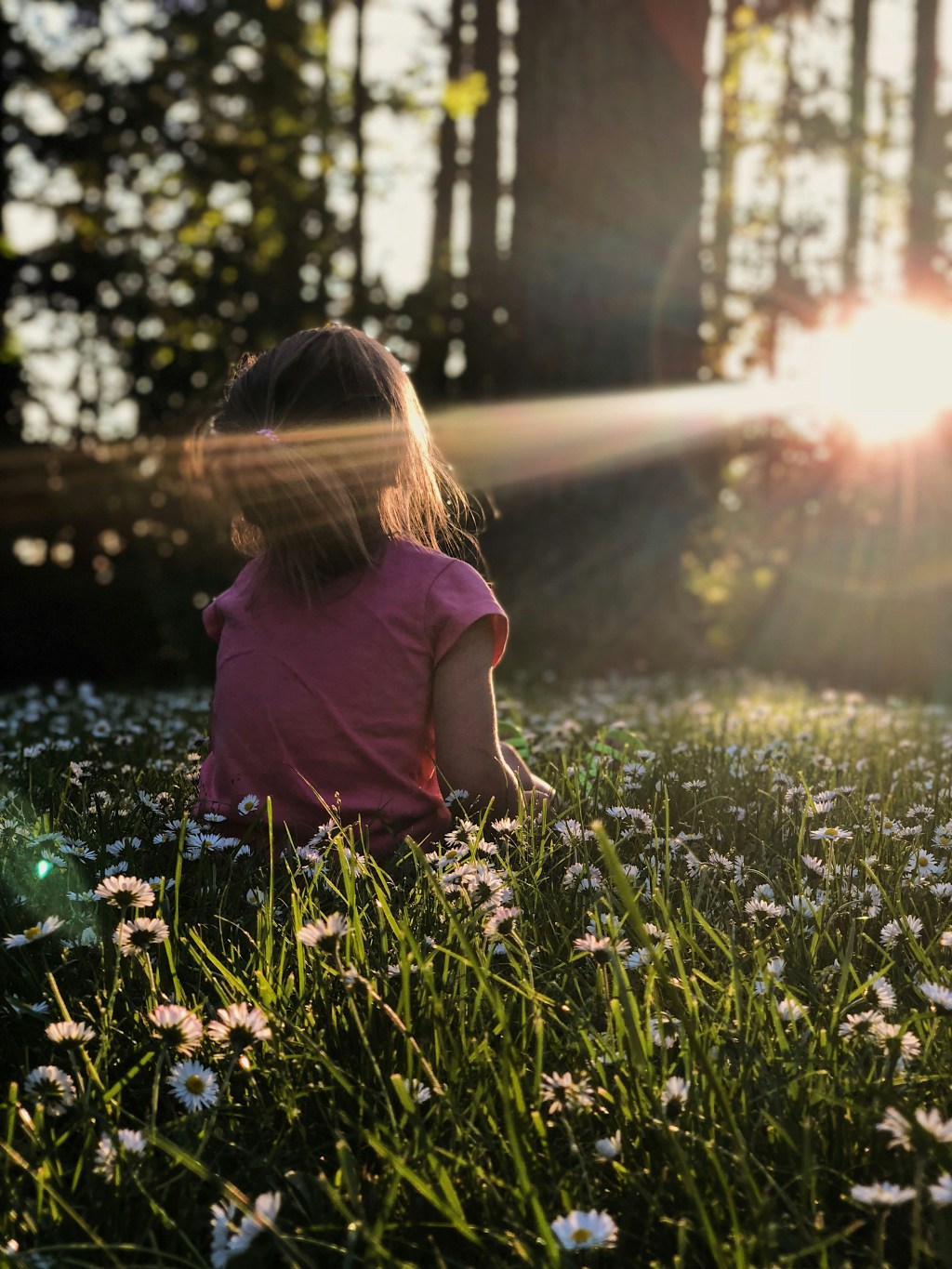
Spending time in nature is another powerful way to heal and reconnect with your inner self. The natural world has an innate ability to soothe and restore, offering a sense of peace and perspective that can be incredibly grounding.
Having walks through a serene forest or along a quiet beach. The sounds of birds, the rustling of leaves, and the gentle lapping of waves provide a symphony of natural beauty that draws you into the present moment. As you walk, focus on your senses. Feel the ground beneath your feet, the breeze on your skin, and the sun’s warmth. These sensory experiences help anchor you in the here and now, pulling you away from the distressing thoughts and memories of trauma.
Deep breathing can enhance this grounding experience. Inhale the fresh air deeply and exhale slowly, releasing tension with each breath. Allow nature to embrace you, providing a safe and nurturing environment where you can begin to heal.
Expressing and Healing Through Creativity
Engaging in creative arts can be a profoundly healing process, offering a means of expression that goes beyond words. Trauma often resides in the body and subconscious, and creative activities can tap into these deeper layers, facilitating emotional release and self-discovery.
Start with a blank canvas and a palette of colors. As you begin to paint, let your emotions guide your brushstrokes. There is no need for your artwork to be realistic or polished; it’s about the act of creating and expressing what lies within you. Whether through painting, drawing, writing poetry, or playing music, creative arts allow you to communicate with your inner self in ways that words alone cannot.
This process can be incredibly cathartic. For instance, writing poetry might help you articulate feelings that are difficult to express in everyday language. Playing an instrument or dancing allows your body to release stored tension and emotions. Through these creative acts, you forge a deeper connection with your inner self, giving voice to your experiences and fostering healing.
Integrating Healing Practices into Daily Life
Consistency and compassion are key to making these practices a part of your healing journey. Create a sacred space in your home where you feel safe and inspired to journal, create, or simply be. Begin each day with an intention to nurture your inner self, and be gentle with yourself throughout this process. Healing from trauma is not linear; it involves ebbs and flows, progress and setbacks.
Remember, you are not alone on this journey. Seek support from loved ones, support groups, or professional therapists who can guide and encourage you. Sharing your experiences with others can provide comfort and validation, reminding you that healing is possible and that you are worthy of peace and wholeness.
Reconnecting with your inner self after trauma is a courageous and transformative journey. Trust in the process, honor your progress, and allow these practices to guide you toward a place of healing and inner peace.
 Mind Energy Station | Holistic Wellness, Crystals, & Meditation Guide
Leave a comment