

As warmer weather approaches, so does the season of outdoor activities—and pesky insects. While commercial insect repellents are effective, they often contain chemicals like DEET, which can be harsh on the skin and harmful to the environment. Fortunately, essential oils offer a natural alternative for keeping insects at bay. This article explores the best essential oils for insect repelling and how to use them effectively.
Why Use Essential Oils for Insect Repelling?
Essential oils are not only natural but also possess potent properties that insects find repellent. They are a safer option for those looking to avoid synthetic chemicals, making them suitable for individuals with sensitive skin, children, and eco-conscious consumers. Additionally, essential oils can provide a pleasant aroma, unlike many chemical repellents.
Top Essential Oils for Insect Repelling
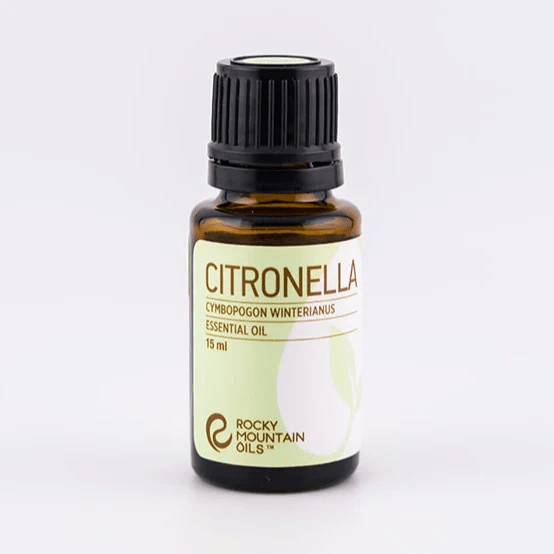
- Citronella Oil
- Insects Repelled: Mosquitoes, flies
- Properties: Citronella oil is one of the most popular natural insect repellents. Its strong, lemony scent is effective in masking human odors that attract insects.
- Eucalyptus Oil
- Insects Repelled: Mosquitoes, ticks
- Properties: Eucalyptus oil, particularly lemon eucalyptus oil, contains PMD (para-menthane-3,8-diol), which is recommended by the CDC as an effective mosquito repellent.

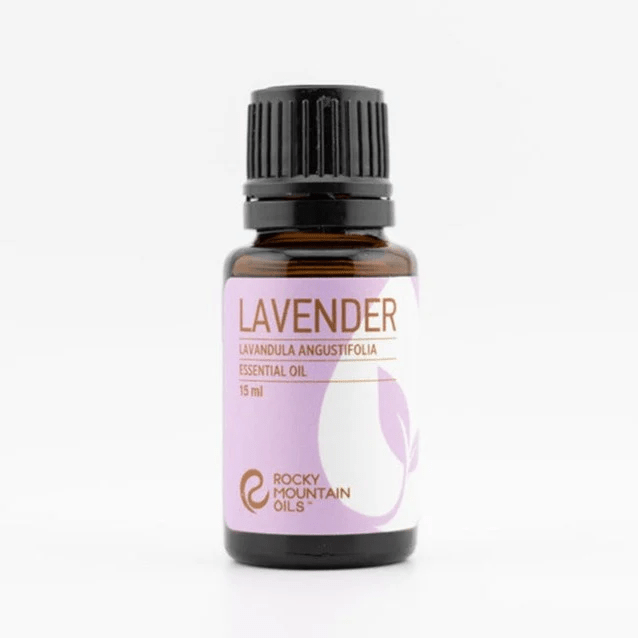
- Lavender Oil
- Insects Repelled: Mosquitoes, flies, fleas
- Properties: Lavender oil is not only effective at repelling insects but also has soothing properties, making it a great addition to after-bite treatments.
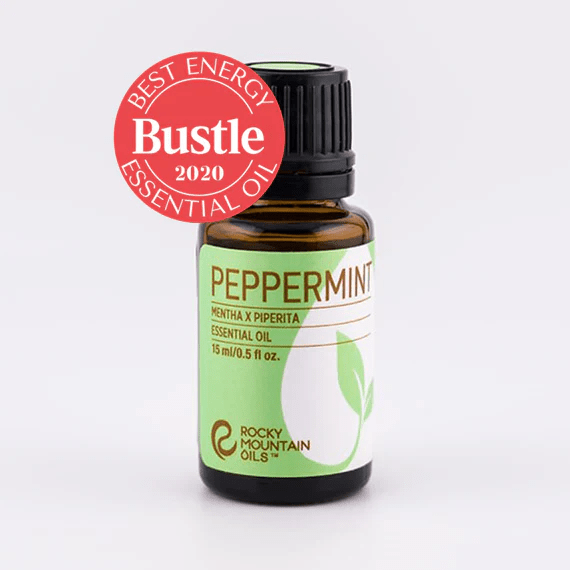
- Peppermint Oil
- Insects Repelled: Ants, spiders, mosquitoes
- Properties: The strong menthol scent of peppermint oil is a natural deterrent for many insects. It can also provide a cooling sensation on the skin.
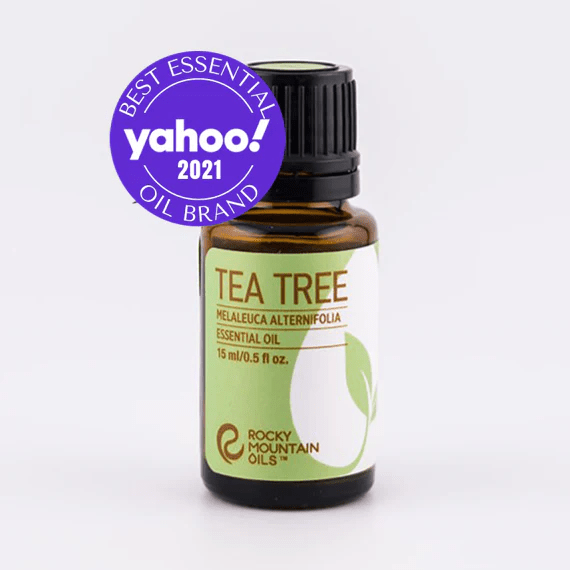
- Tea Tree Oil
- Insects Repelled: Mosquitoes, ants, ticks
- Properties: Known for its antiseptic properties, tea tree oil can help repel insects and soothe bites.
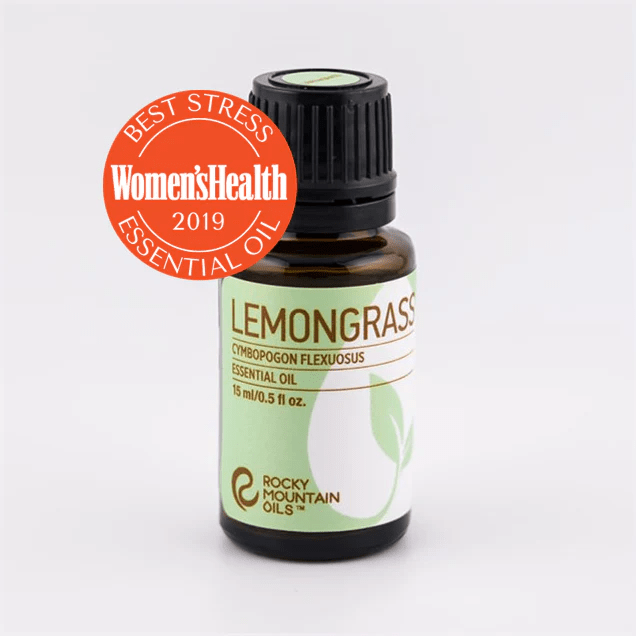
- Lemongrass Oil
- Insects Repelled: Mosquitoes, flies
- Properties: Similar to citronella, lemongrass oil has a strong citrus scent that is effective against insects.
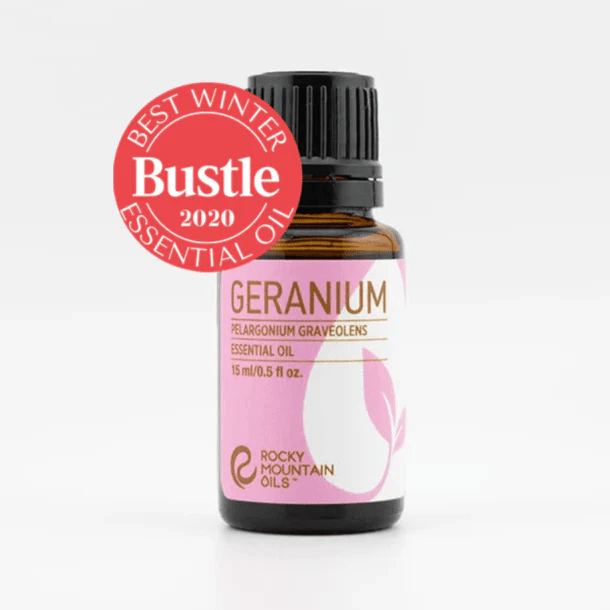
- Geranium Oil
- Insects Repelled: Mosquitoes, ticks
- Properties: Geranium oil has a sweet, floral scent and is effective against mosquitoes and ticks.
How to Use Essential Oils for Insect Repelling
- DIY Insect Repellent Spray
- Ingredients:
- 10 drops of citronella oil
- 10 drops of eucalyptus oil
- 10 drops of lavender oil
- 2 tablespoons of witch hazel or vodka
- 2 tablespoons of distilled water
- Spray bottle
- Instructions:
- Combine all ingredients in a spray bottle.
- Shake well before each use.
- Spray on exposed skin and clothing, avoiding the eyes and mouth.
- Ingredients:
- Topical Application
- Ingredients:
- 5 drops of peppermint oil
- 5 drops of tea tree oil
- 1 tablespoon of carrier oil (coconut oil, jojoba oil)
- Instructions:
- Mix essential oils with the carrier oil.
- Apply a small amount to exposed skin.
- Reapply as needed, especially after sweating or swimming.
- Ingredients:
- Essential Oil Diffuser
- Instructions:
- Add water to your diffuser according to the manufacturer’s instructions.
- Add 5-10 drops of your chosen insect-repelling essential oils.
- Use the diffuser outdoors on patios or decks to keep insects away.
- Instructions:
- Candles and Incense
- Use citronella or lavender essential oil candles and incense to repel insects in outdoor seating areas.
Safety Precautions
- Patch Test: Always perform a patch test before using a new essential oil blend on your skin to ensure you don’t have an allergic reaction.
- Dilution: Essential oils should always be diluted with a carrier oil before applying to the skin.
- Pregnancy and Children: Consult a healthcare provider before using essential oils on pregnant women, nursing mothers, or young children.
- Avoid Sensitive Areas: Do not apply essential oils near the eyes, inner ears, or mucous membranes.
Essential oils offer a natural and pleasant-smelling alternative to chemical insect repellents. By harnessing the power of these oils, you can enjoy your time outdoors without the nuisance of insects. Remember to use them safely and effectively, following proper dilution guidelines and application methods. Whether you choose to make a DIY spray, use a diffuser, or light an essential oil candle, these natural solutions can help keep bugs at bay and make your outdoor experience more enjoyable.
 Mind Energy Station | Holistic Wellness, Crystals, & Meditation Guide
Leave a comment