
As we strive for longevity and a youthful appearance, the focus often lies on skincare, diet, and exercise. However, one crucial aspect that significantly impacts the aging process is often overlooked: gut health. The state of our gut microbiome— the diverse community of microorganisms residing in our digestive tract—plays a vital role in how we age. This blog post delves into the connection between gut health and aging and offers practical tips for maintaining a healthy gut microbiome to support anti-aging efforts.
The Connection Between Gut Health and Aging
1. Inflammation and Aging:
- What it is: Chronic inflammation is a significant contributor to aging and age-related diseases. The gut microbiome helps regulate the body’s inflammatory responses.
- Connection: An imbalanced gut microbiome, known as dysbiosis, can lead to increased intestinal permeability (leaky gut), allowing harmful substances to enter the bloodstream and trigger inflammation. This chronic inflammation accelerates the aging process and contributes to conditions such as heart disease, diabetes, and neurodegenerative disorders.
2. Nutrient Absorption:
- What it is: The gut is responsible for the digestion and absorption of nutrients that are essential for maintaining healthy skin, bones, and overall vitality.
- Connection: A healthy gut microbiome aids in the efficient breakdown and absorption of nutrients, ensuring the body receives vital vitamins and minerals. Poor gut health can impair nutrient absorption, leading to deficiencies that manifest as premature aging signs like wrinkles, brittle hair, and weakened immunity.
3. Immune Function:
- What it is: The gut houses a significant portion of the body’s immune system, playing a critical role in defending against pathogens.
- Connection: A balanced gut microbiome supports a robust immune system, which is crucial for preventing infections and reducing the risk of chronic illnesses. A weakened immune system due to poor gut health can leave the body more vulnerable to diseases that accelerate aging.
4. Mental Health and Cognitive Function:
- What it is: The gut-brain axis is a communication network linking the gut and the brain, influencing mood, cognition, and mental health.
- Connection: A healthy gut microbiome produces neurotransmitters like serotonin, which are essential for mood regulation and cognitive function. Dysbiosis can disrupt this communication, contributing to mental health issues like depression and anxiety, which are linked to accelerated cognitive aging.
Tips for Maintaining a Healthy Gut Microbiome
1. Eat a Diverse Diet:
- Why it matters: A varied diet promotes a diverse microbiome, which is crucial for gut health.
- How to do it: Incorporate a wide range of fruits, vegetables, whole grains, and legumes into your diet. These foods provide different types of fiber that nourish various beneficial bacteria in the gut.
2. Include Fermented Foods:
- Why it matters: Fermented foods are rich in probiotics, which are beneficial bacteria that support gut health.
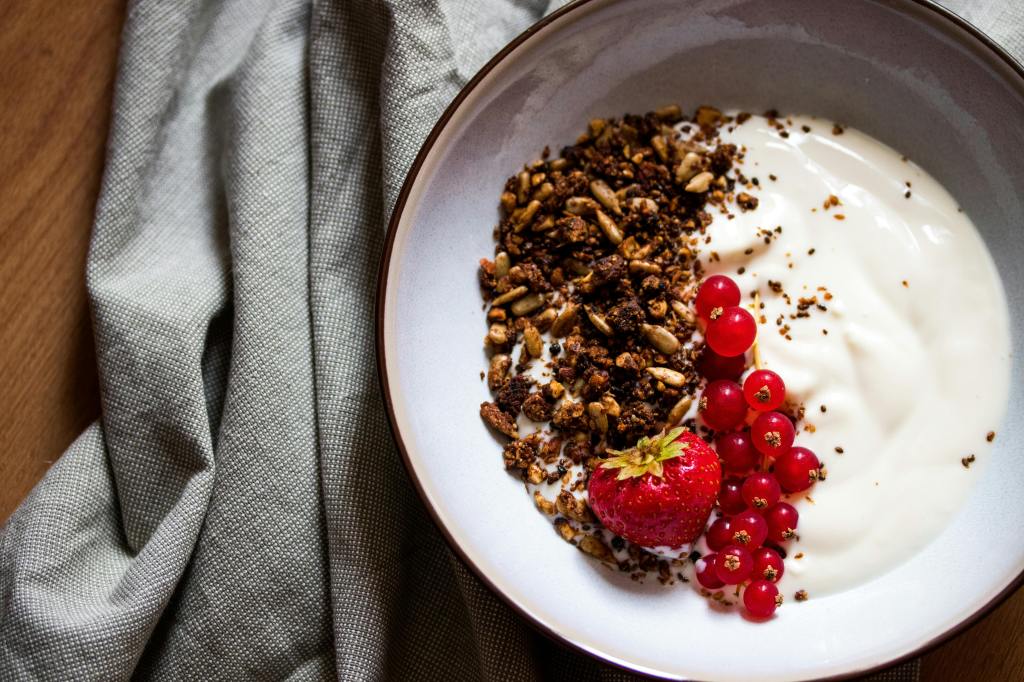
- How to do it: Add foods like yogurt, kefir, sauerkraut, kimchi, and kombucha to your meals. These foods introduce beneficial bacteria into the gut, promoting a balanced microbiome.
3. Limit Sugar and Processed Foods:
- Why it matters: High sugar and processed foods can promote the growth of harmful bacteria in the gut.
- How to do it: Reduce your intake of sugary snacks, sugary beverages, and highly processed foods. Opt for whole, unprocessed foods instead.
4. Stay Hydrated:
- Why it matters: Hydration is essential for maintaining the mucosal lining of the intestines and promoting a healthy gut environment.
- How to do it: Drink plenty of water throughout the day. Herbal teas and water-rich fruits and vegetables can also contribute to your hydration needs.
5. Manage Stress:
- Why it matters: Chronic stress can negatively impact the gut microbiome and overall gut health.
- How to do it: Practice stress management techniques such as meditation, deep breathing exercises, yoga, and spending time in nature to reduce stress levels and support gut health.
6. Get Enough Sleep:
- Why it matters: Quality sleep is vital for overall health, including maintaining a balanced gut microbiome.
- How to do it: Aim for 7-9 hours of sleep per night. Establish a regular sleep routine and create a restful sleep environment to improve sleep quality.
7. Consider Prebiotic Foods:
- Why it matters: Prebiotics are fibers that feed beneficial bacteria in the gut.
- How to do it: Include prebiotic-rich foods like garlic, onions, leeks, asparagus, bananas, and oats in your diet. These foods help nourish and sustain beneficial gut bacteria.
8. Avoid Unnecessary Antibiotics:
- Why it matters: Antibiotics can disrupt the balance of the gut microbiome by killing both harmful and beneficial bacteria.
- How to do it: Use antibiotics only when prescribed by a healthcare professional and necessary. When taking antibiotics, consider consuming probiotic-rich foods or supplements to help restore gut balance.
Maintaining a healthy gut microbiome is a key factor in promoting longevity and preventing premature aging. A healthy gut not only contributes to a youthful appearance but also fosters overall well-being, helping you age gracefully and vibrantly. A balanced diet, stress management, proper hydration, and a diverse intake of nutrients are all integral to keeping your gut—and by extension, your entire body—in optimal health.
 Mind Energy Station | Holistic Wellness, Crystals, & Meditation Guide
Leave a comment