

Sunscreen is an essential component of any skincare routine, yet many people overlook its importance. Beyond just preventing sunburn, sunscreen plays a crucial role in protecting your skin from long-term damage and serious health risks. Here’s why sunscreen is vital and how to choose the right one for your needs.
Why Sunscreen is Important
- Prevents Sunburn
- Immediate Protection: Sunburn is the most immediate and visible effect of overexposure to UV rays. Sunscreen helps to protect the skin from these harmful rays, preventing the painful redness and peeling associated with sunburn.
- Reduces Risk of Skin Cancer
- UV Radiation: Ultraviolet (UV) radiation from the sun is a leading cause of skin cancer, including melanoma, the most serious form. Regular use of sunscreen can significantly reduce the risk of developing skin cancer by protecting the skin from these damaging rays.
- Prevents Premature Aging
- Photoaging: UV exposure accelerates the skin’s aging process, leading to wrinkles, fine lines, and age spots. Sunscreen helps to prevent photoaging by blocking harmful rays that cause these visible signs of aging.
- Protects Against Hyperpigmentation
- Even Skin Tone: Sunscreen helps to prevent the formation of dark spots and uneven skin tone caused by sun exposure. This is particularly important for individuals prone to hyperpigmentation or those with darker skin tones.
- Maintains Overall Skin Health
- Barrier Protection: By shielding the skin from harmful UV rays, sunscreen helps maintain the skin’s overall health and resilience. This protective barrier allows the skin to function properly and stay hydrated.
How to Choose the Right Sunscreen
- Consider the SPF Rating
- SPF Explained: Sun Protection Factor (SPF) measures the level of protection against UVB rays, which cause sunburn. A higher SPF provides more protection. For everyday use, an SPF of at least 30 is recommended, while SPF 50+ is ideal for prolonged outdoor activities.
- Broad Spectrum: Ensure the sunscreen is labeled as “broad-spectrum,” which means it protects against both UVA and UVB rays. UVA rays contribute to skin aging and cancer, while UVB rays cause sunburn.
- Choose the Right Formula for Your Skin Type
- Oily or Acne-Prone Skin: Opt for a non-comedogenic, oil-free sunscreen that won’t clog pores. Gel-based or water-based formulas are often best.
- Dry Skin: Look for sunscreens with hydrating ingredients like hyaluronic acid or glycerin. Cream-based formulas provide extra moisture.
- Sensitive Skin: Choose sunscreens with gentle, hypoallergenic formulas free of fragrances and parabens. Mineral sunscreens with zinc oxide or titanium dioxide are less likely to irritate sensitive skin.
- Decide Between Chemical and Physical Sunscreens
- Chemical Sunscreens: These contain organic compounds (e.g., oxybenzone, avobenzone) that absorb UV radiation. They are often lightweight and less visible on the skin.
- Physical Sunscreens: Also known as mineral sunscreens, they contain inorganic compounds (e.g., zinc oxide, titanium dioxide) that reflect UV radiation. These are suitable for sensitive skin but may leave a white cast.
- Check for Water Resistance
- Water Activities: If you plan to swim or sweat, choose a water-resistant sunscreen. These provide protection for 40 to 80 minutes of water exposure. Reapply as directed, especially after swimming or sweating.
- Read the Ingredient List
- Active Ingredients: Ensure the active ingredients provide broad-spectrum protection. Zinc oxide and titanium dioxide are reliable physical blockers, while avobenzone and octocrylene are effective chemical blockers.
- Avoid Harmful Additives: Stay clear of sunscreens with potentially harmful additives like oxybenzone, which has been linked to hormone disruption, and parabens, which can cause skin irritation.
- Test for Personal Preference
- Feel and Finish: Sunscreens come in various formulations, such as lotions, creams, gels, sprays, and sticks. Test a few to see which texture and finish you prefer. This ensures you’ll be comfortable applying it daily.
5 sunscreens that are known for their safety, effectiveness, and environmentally friendly ingredients
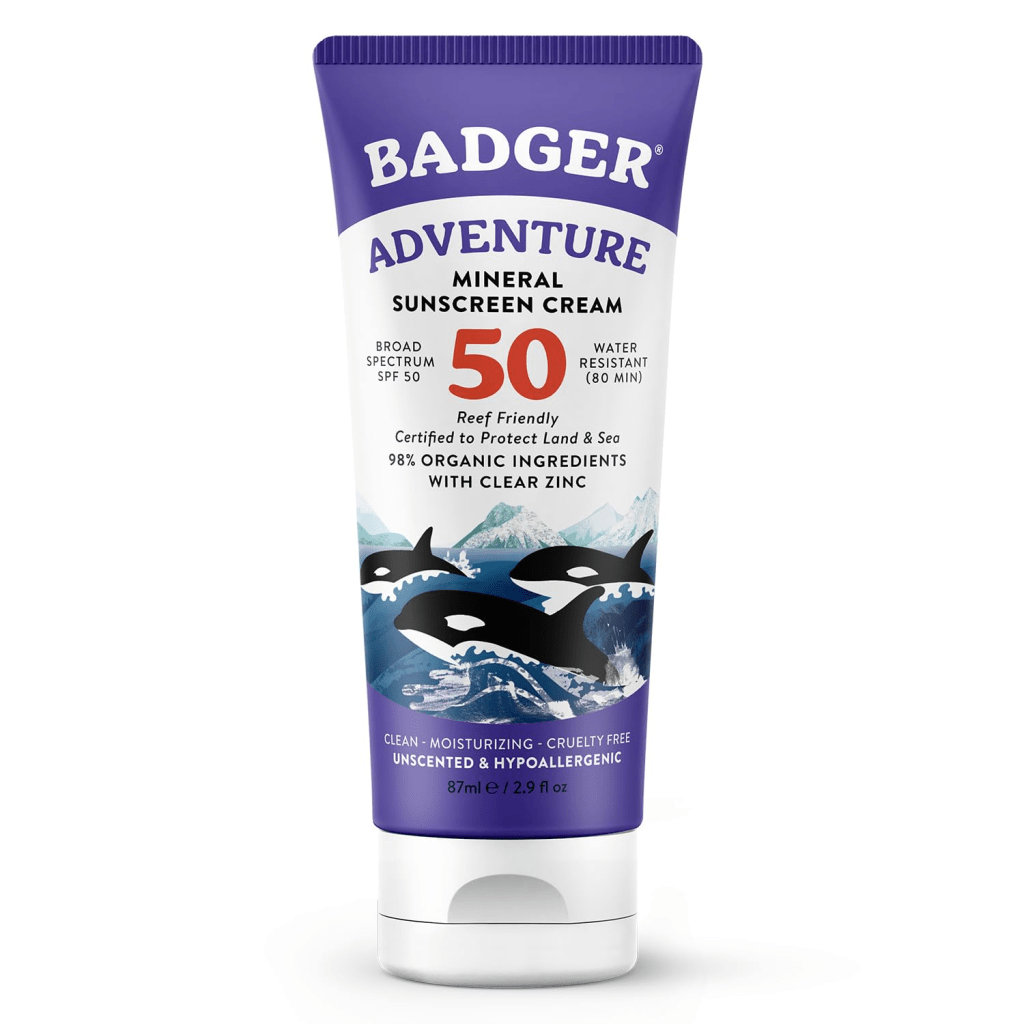
Badger Mineral Sunscreen SPF 50 Zinc Oxide Sunscreen with 98% Organic Ingredients, offers excellent broad-spectrum protection with zinc oxide. It’s water-resistant for 80 minutes, chemical-free, and safe for sensitive skin and the environment. Details
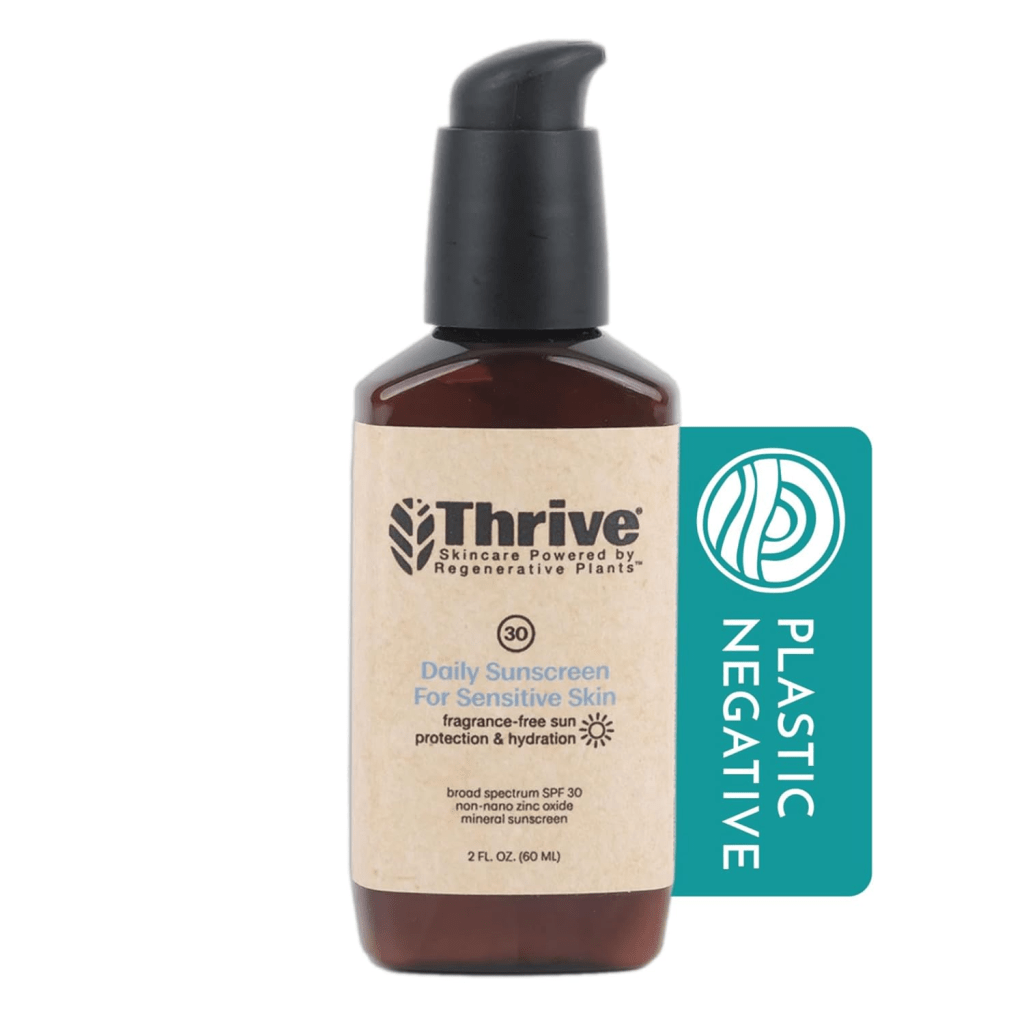
Thrive Natural Care Mineral Face Sunscreen for Sensitive Skin SPF 30 uses non-nano zinc oxide and natural ingredients for superior protection. It’s lightweight, non-greasy, reef-safe, and free from synthetic additives. Details
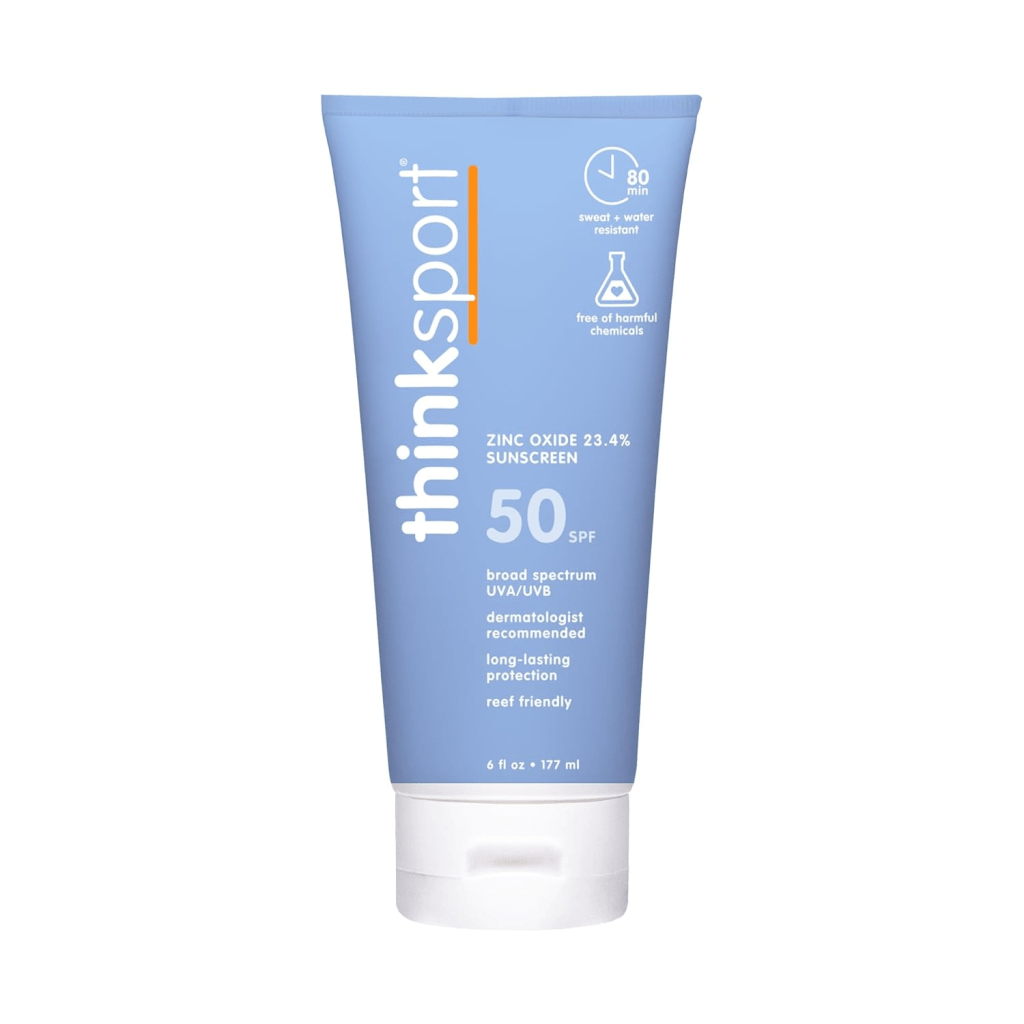
Thinksport SPF 50+ Mineral Sunscreen provides strong UVA/UVB protection with zinc oxide. It’s water-resistant, free from harmful chemicals, cruelty-free, and reef-safe.. Details
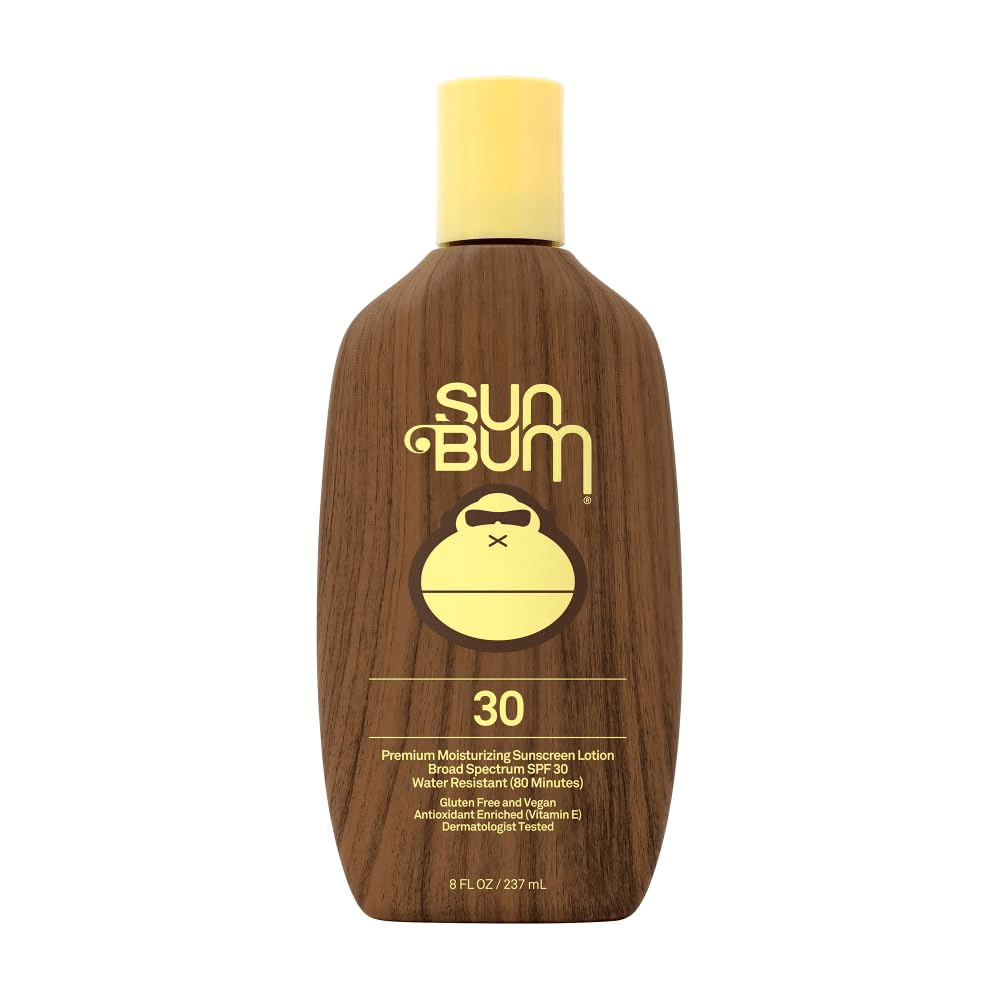
Sun Bum Original SPF 30 Sunscreen Lotion offers broad-spectrum protection with a pleasant tropical scent. It’s hypoallergenic, water-resistant for 80 minutes, and enriched with vitamin E.. Details
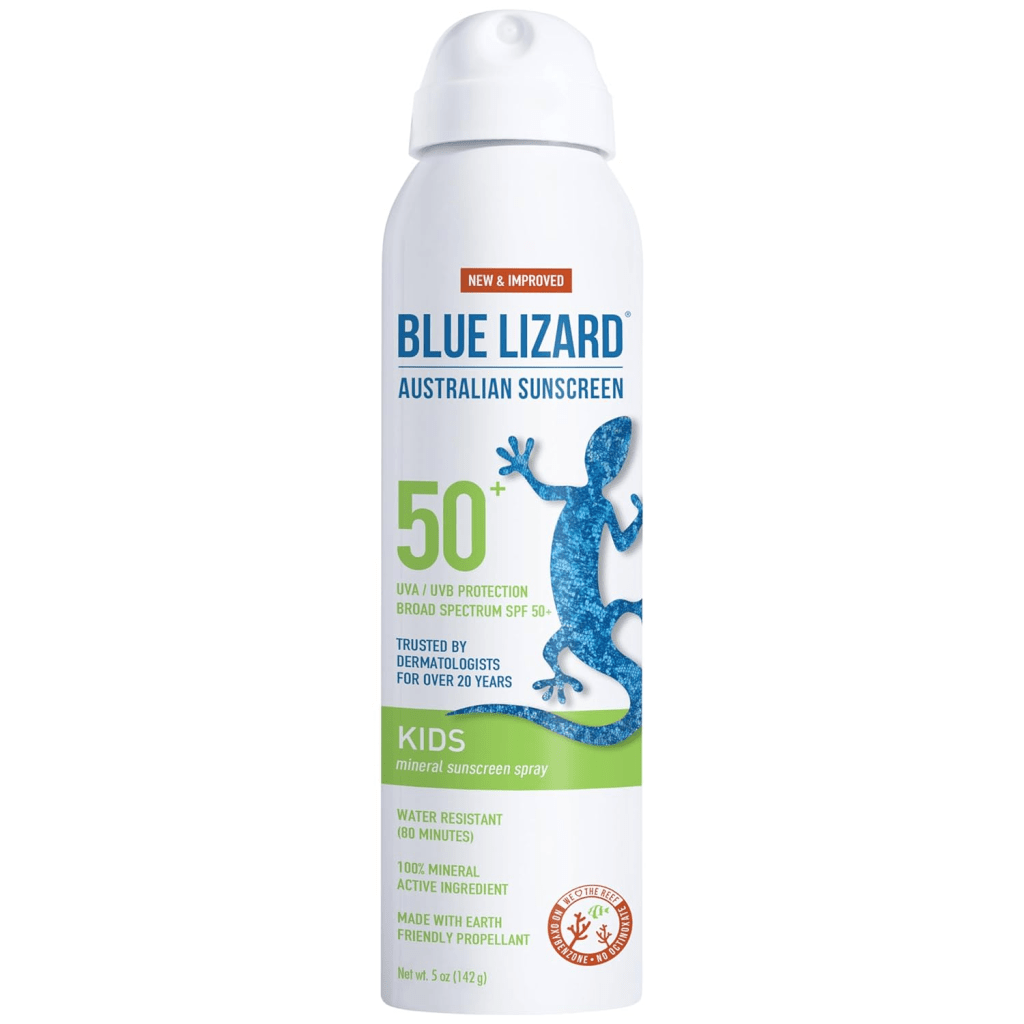
BLUE LIZARD Mineral Sunscreen Kids SPF 50+ Spray uses zinc oxide and titanium dioxide for effective protection. It’s water-resistant, free from parabens and fragrances, and features a UV-sensitive bottle. Details
Sunscreen is an indispensable part of maintaining healthy, youthful skin and protecting against serious health risks. By understanding the importance of sunscreen and how to choose the right one, you can effectively safeguard your skin from the harmful effects of UV radiation. Remember to apply sunscreen daily, regardless of the weather, and reapply as needed
* As an Amazon Associate, I earn from qualifying purchases
 Mind Energy Station | Holistic Wellness, Crystals, & Meditation Guide
Leave a comment