
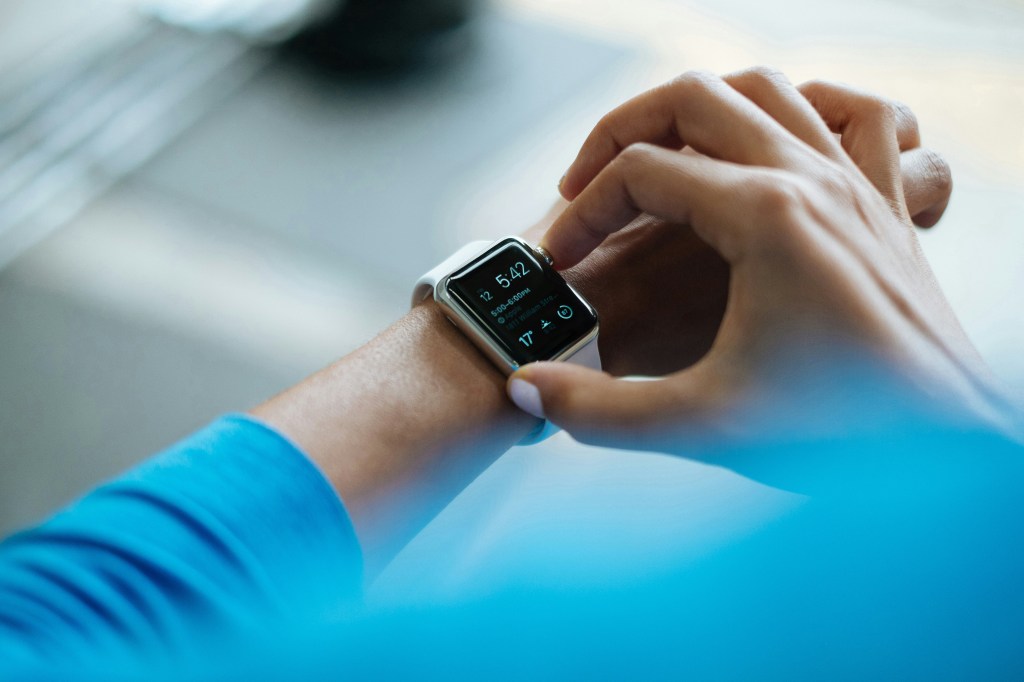
Technology has become an invaluable ally in enhancing health and wellbeing. From advanced wearables to innovative apps, here are the top 10 technologies that can help you live a healthier, more balanced life.
1. Wearable Fitness Trackers
Examples: Fitbit, Apple Watch, Garmin
Benefits:
- Activity Monitoring: Tracks steps, calories burned, and distance traveled.
- Heart Rate Monitoring: Provides real-time data on heart rate and stress levels.
- Sleep Analysis: Monitors sleep patterns and quality, offering insights to improve sleep habits.
Wearable fitness trackers provide valuable data to help you stay active, monitor your health metrics, and set fitness goals.
2. Telehealth Platforms
Examples: Teladoc, Amwell, Doctor on Demand
Benefits:
- Remote Consultations: Allows for virtual appointments with healthcare providers.
- Convenience: Access to medical advice from the comfort of your home.
- Chronic Disease Management: Facilitates regular check-ins and monitoring for chronic conditions.
Telehealth platforms have revolutionized healthcare by making it more accessible and convenient, especially for those with limited mobility or living in remote areas.
3. Mental Health Apps
Examples: Headspace, Calm, BetterHelp
Benefits:
- Meditation and Mindfulness: Offers guided meditations and mindfulness exercises.
- Therapy Access: Provides online counseling and therapy sessions.
- Stress Reduction: Includes tools for managing stress and anxiety.
Mental health apps make it easier to prioritize mental wellbeing, offering resources and support for managing stress, anxiety, and other mental health issues.
4. Smart Home Gym Equipment
Examples: Peloton, Mirror, Tonal
Benefits:
- Interactive Workouts: Offers live and on-demand fitness classes.
- Personalized Training: Provides tailored workout plans based on individual goals and fitness levels.
- Convenience: Allows for high-quality workouts at home.
Smart home gym equipment combines advanced technology with fitness training, making it easier to stay fit and motivated without leaving home.
5. Nutrition and Diet Apps
Examples: MyFitnessPal, Yummly, Lifesum
Benefits:
- Diet Tracking: Helps monitor food intake and nutritional value.
- Meal Planning: Offers personalized meal plans and recipes.
- Goal Setting: Assists in setting and achieving dietary goals.
Nutrition and diet apps help users make informed dietary choices, track their food intake, and develop healthier eating habits.
6. Sleep Technology
Examples: Sleep Number Smart Bed, Oura Ring, Philips SmartSleep
Benefits:
- Sleep Tracking: Monitors sleep stages and provides insights into sleep quality.
- Personalized Recommendations: Offers tips and recommendations for improving sleep.
- Smart Alarms: Wakes you up during the lightest sleep phase for a more refreshed feeling.
Sleep technology devices and apps are designed to help users improve their sleep hygiene and overall sleep quality, which is essential for overall health.
7. Virtual Reality (VR) Therapy
Examples: Oculus VR Therapy, Limbix, Psious
Benefits:
- Exposure Therapy: Helps treat phobias and anxiety disorders through controlled exposure.
- Pain Management: Provides immersive experiences that can distract from pain.
- Mental Health Treatment: Offers innovative ways to manage PTSD and other mental health conditions.
VR therapy is emerging as a powerful tool in mental health treatment, offering immersive experiences that can aid in therapy and pain management.
8. Personal Health Assistants
Examples: Amazon Echo, Google Nest Hub, Apple Siri
Benefits:
- Health Reminders: Provides reminders for medication, appointments, and health tasks.
- Information Access: Offers instant access to health information and resources.
- Lifestyle Management: Assists with managing daily routines and promoting healthy habits.
Personal health assistants use AI to help manage daily health tasks, providing reminders, information, and support to maintain a healthy lifestyle.
9. Digital Health Platforms
Examples: 23andMe, AncestryHealth, Color Genomics
Benefits:
- Genetic Testing: Offers insights into genetic predispositions to various health conditions.
- Personalized Health Reports: Provides detailed health reports based on genetic data.
- Preventive Measures: Helps users take proactive steps to manage their health.
Digital health platforms that focus on genetic testing provide personalized insights into an individual’s health risks and help tailor preventive measures accordingly.
10. Smart Hydration Systems
Examples: HidrateSpark, Ozmo, Ulla
Benefits:
- Hydration Tracking: Monitors water intake and reminds you to stay hydrated.
- Integration: Syncs with fitness trackers and health apps to provide comprehensive health data.
- Custom Goals: Helps set personalized hydration goals based on activity levels and environment.
Smart hydration systems ensure that you maintain proper hydration, which is crucial for overall health and wellbeing.
Incorporating these advanced technologies into your daily routine can significantly enhance your health and wellbeing. From tracking physical activity and sleep to managing mental health and diet, these tools provide valuable insights and support to help you lead a healthier, more balanced life
 Mind Energy Station | Holistic Wellness, Crystals, & Meditation Guide
Leave a comment